
Wardrobe Design Ideas for Kolkata Homes: Practical & Timeless Tips
Looking for wardrobe design ideas tailored to Kolkata homes? Our step‑by‑step guide covers space optimisation, material choices and local climate considerations—perfect for modern flats and traditional houses.
By Arfina Design Design Team · Updated · 7 min read
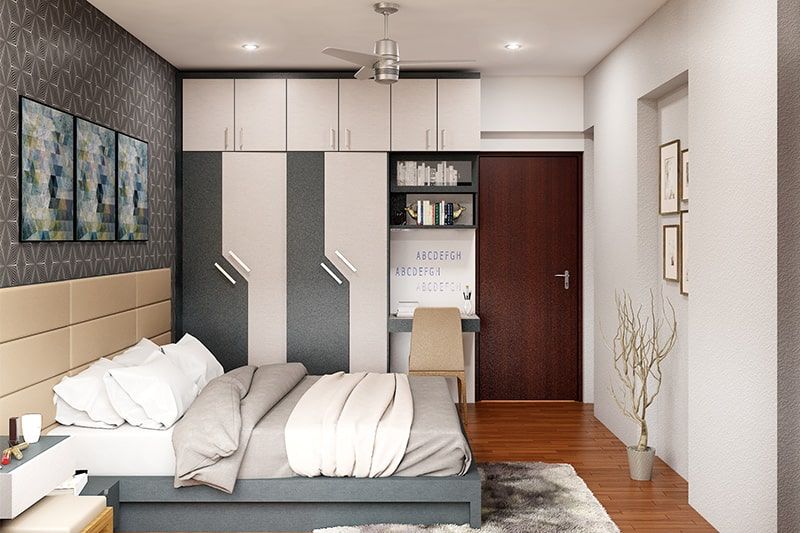
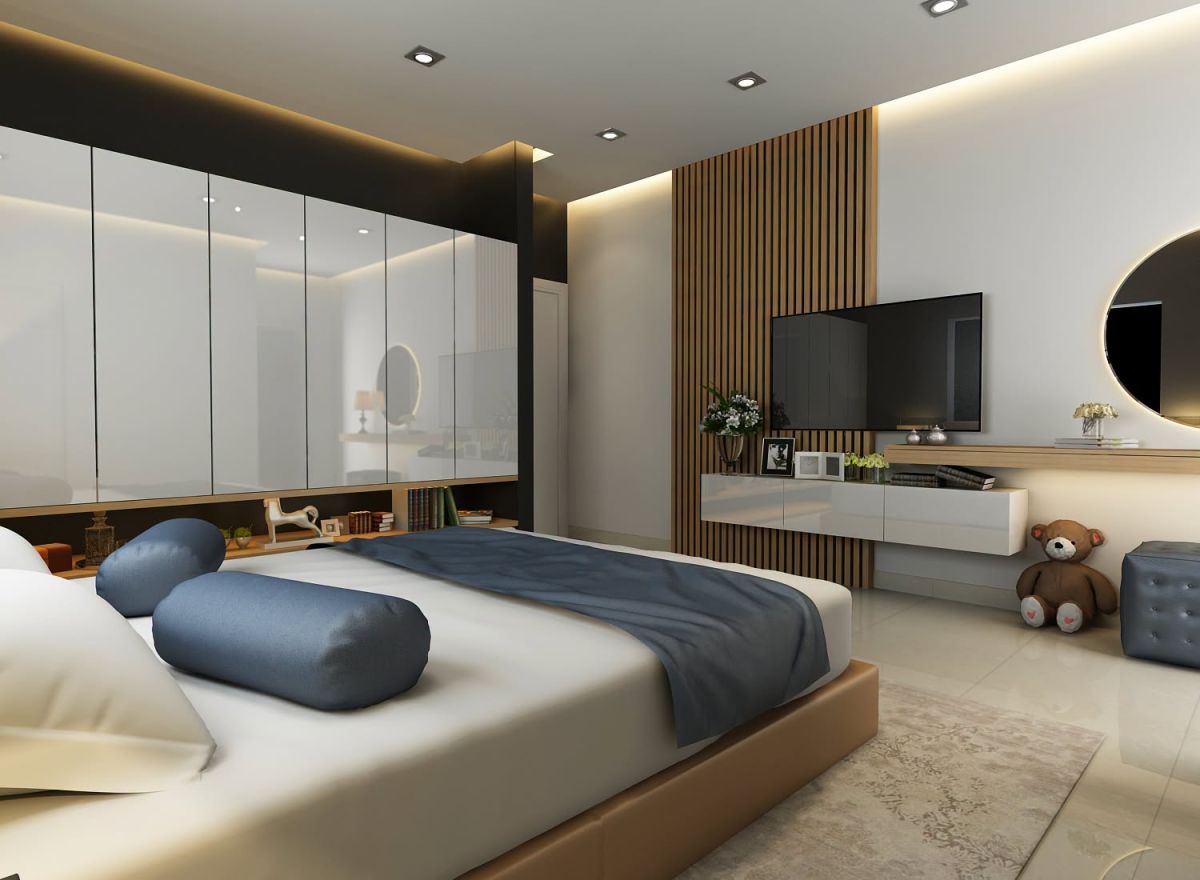
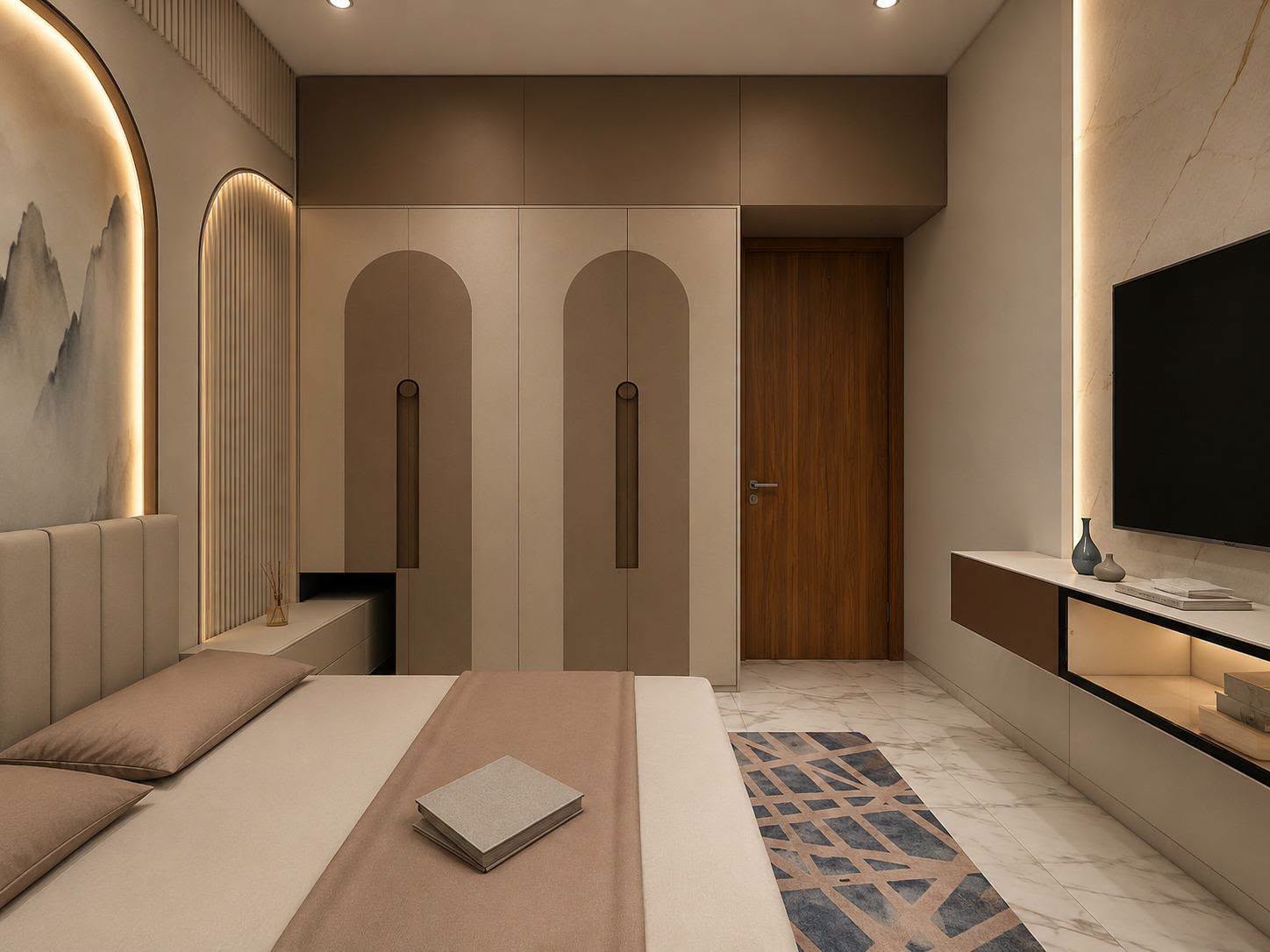
When designing a wardrobe for a Kolkata home, you must balance style, functionality and the city’s humid climate. Whether you live in a compact one‑bedroom flat in Salt Lake or a two‑story house in Alipore, a well‑planned wardrobe can transform the space and keep your clothes organised.
Below, we break down the process into clear, actionable steps and give you real‑world tips that suit the local context. We’ll also share a cost table, suggest material options and explain why Arfina Design’s 10‑year warranty on modular work gives you peace of mind.
- Understand your space and lifestyle early.
- Choose appropriate materials to resist Kolkata’s humidity.
- Leverage modular solutions for scalable storage.
- Plan aisle width and door type for easy access.
- Book a free 3D design consultation with Arfina Design.
Why Wardrobe Design Is Critical in Kolkata Homes
Kolkata’s summers can reach 40°C, while monsoon humidity often exceeds 80%. In such a climate, fabric, wood and metal wear out faster if not protected. Moreover, many Kolkata homes have limited square footage—especially flats—and need vertical storage. A thoughtfully designed wardrobe keeps clothing dry, organised and easily accessible.
Step‑by‑Step Guide to Wardrobe Design Ideas
1. Measure Your Space Accurately
- Measure the wall length, height and available floor area.
- Check for obstructions—windows, outlets, heating ducts.
- Record the distance between the door and the nearest wall for proper manoeuvre.
2. Identify Your Storage Needs
List the categories you store: shirts, trousers, sarees, winter coats, shoes, accessories. Assign each category a storage type:
- Drawers – shirts, shirts.
- Tall closets – saree, winter coats.
- Shelf units – sweaters, ribbons.
- Footwear racks – shoes, sandals.
3. Choose the Right Wardrobe Type
Kolkata’s flat sizes influence your choice between:
- Sliding door wardrobes – save 1‑2” of floor space, ideal for narrow rooms.
- Hinged door wardrobes – offer aesthetic variety.
- Half‑wall wardrobes – fit in corner spaces.
- Modular wardrobes – customizable and scalable.
4. Select Humidity‑Resistant Materials
| Material | Pros | Cons | Indicative Price (₹) – 2026 in Kolkata |
|---|---|---|---|
| Reinforced MDF | Strong, smooth finish | Expensive | ₹12,000–₹18,000 per 1.65m unit |
| Wood‑grain PU Finish | Water‑resistant, rich look | Requires routine sealing | ₹10,000–₹15,000 |
| Steel Frames with Laminate Panels | Durable, scratch‑resistant | Heavier | ₹9,000–₹13,000 |
Always choose a surface finish that can be sealed each year. Arfina Design’s modular wardrobes use reinforced MDF with a PU coat that survives Kolkata’s monsoon seasons.
5. Plan Interior Layout and Shelving
Divide the interior into zones: hanging, shelf, drawer. Use colour‑coded labels for quick sorting. For a 40×20 socket ceiling room, a 1.8m wide wardrobe could be arranged as:
- Top—open hanging for shirts.
- Middle—two tall shelves for sarees.
- Bottom—three drawers (2 small, 1 large).
6. Decide on Door Mechanism and Finish
Sliding doors reduce floor clearance; hinged doors offer easier access to the wardrobe’s back. For a partitioned bedroom in Park Circus, a glass‑faced sliding door adds a light‑reflecting aesthetic. Finish options include:
- Matte wood veneer – traditional look.
- Glossy PU – contemporary vibe.
- Transparent glass – open feel.
7. Incorporate Lighting & Electrical Design
Electrical outlets are essential for LED strip lights or smart mirrors. Install at least one LED strip above the inner shelf and one near the top hanging section. Consider a motion‑activated light for dark night use.
8. Finish with Decorative & Functional Accessories
Include a pull‑out shoe basket, built‑in jewelry trays and a small bell box for keys. A mirrored side panel can double as a vanity and enlarge perceived space.
Real Kolkata Examples
In a 550 sq ft apartment in New Town, a client’s wardrobe spans a 1.5m wall and incorporates a 0.6m sliding door, three drawers, and a top shelf
Choosing Materials That Withstand Kolkata’s Humid Climate
Why Climate Matters
Kolkata’s average annual rainfall is around 2,200 mm, with high humidity levels during the monsoon. This environment can affect furniture finish, wood stability, and upholstery. While aesthetics and storage capacity are vital, selecting the right materials ensures durability and minimal maintenance.
Wood vs. MDF vs. Existing Structures
- Hardwood (Oak, Teak, Mahogany): Naturally rot-resistant; finishes like oil or varnish can be reapplied every 2–3 years to keep the grain visible. Ideal for homeowners seeking a long-term investment.
- MDF (Medium Density Fibreboard): Affordable and smooth surface for painted finishes. Requires sealed edges to prevent moisture absorption. Best for space-saving wardrobes where cost is a major concern.
- Existing Structural Framing: Reusing the existing stud wall with custom paneling saves time and cost, but inspection for dampness and termite activity is necessary before installation.
Finishing Techniques for Longevity
Apply a protective sealant (polyurethane or acrylic) post-assembly. For climates with extreme humidity, consider a water‑repellent primer under paint. In Sluman’s “Saves Each Wardrobe From Moisture” guideline, a two‑coat finish reduces water penetration by up to 70%.
Upholstery & Accessories
- Use non‑pilling fabrics like organza, linen blends, or high‑denier polyester for wardrobe fabric pockets.
- Choose matte or satin bamboo fabric for door panels; these resist moisture better than silk or cotton.
- For inner shelving, install a layer of desiccant sachets to absorb excess humidity between monthly inspections.
Space‑Saving Wardrobe Configurations for Tighter Kolkata Layouts
Measuring and Planning
Most Kolkata apartments range from 800–1,200 sq ft. Limiting wardrobe footprint to 35% of wall length maximizes living flexibility. Measure wall height from floor level to 5 ft. below the ceiling to maintain a comfortable headroom when wardrobes are open.
Floating Attic Wardrobes
Utilize the space just under the sloping ceiling. Install a pull‑out wardrobe with a soft‑close mechanism. This style can be fitted into a 2‑ft width and 4.5‑ft height, requiring minimal wall material.
Built‑in 2‑Tier Sliding System
One low shelf for daily wear and a higher, deeper shelf for seasonal storage. A sliding door mechanism can eliminate the need for a swing door, preserving floor area and reducing wood usage.
Integrated Closet and Storage Units
Combine a closed wardrobe with an open shelving unit on the same wall. A frosted glass partition preserves the visual line while providing a subtle separation for books or accessories. This hybrid offers flexibility without additional wall surfaces.
Vertical Space Utilization
In high‑rise apartments, the vertical loft area is often unused. Install a wall‑mounted tallyboard or a vertical ladder system to store hats, scarves, and handbags. The board should be made of resin or PVC to resist moisture.
Common Mistake to Avoid
Over‑crowding wardrobes with excessively high shelves can make items hard to access and cause sagging. Keep the maximum shelf height to 24–26 inches from the floor and ensure load distribution with brackets or a strength‑reinforced metal frame.
Maintenance Checklist to Extend Wardrobe Life
Routine Inspection (Quarterly)
- Check hinges, slides, and latch mechanisms for smooth operation.
- Inspect weld points and joints for rust or cracking.
- Test paint or varnish layer for flaking.
Cleaning Protocol
Use a microfiber cloth for dusting and a mild soap solution for deep cleaning. Avoid abrasive tools which may damage finishes. For upholstery, use a vacuum with a fabric attachment on low suction.
Re‑Finishing and Re‑Staining
After 3–5 years, apply a fresh coat of protective finish. If the wardrobe’s colour has faded, a single coat of paint can refresh the look while recapping the underlying surface.
Seasonal Storage Switch‑Over
During monsoon, shift moisture‑sensitive items to a vented or filtered wardrobe. Use dehumidifiers or silica gel packets for wardrobes storing leather goods or vintage accessories.
Professional Touch‑ups
Schedule a bi‑annual visit from a certified interior decorator or furniture technician—especially important for the 10-year warranty on modular work—to ensure structural integrity and warranty compliance.
Budgeting & ROI: How to Justify Wardrobe Investment in Kolkata
Cost Breakdown
| Component | Estimated Cost (₹) |
|---|---|
| Custom Frame (Wood/ MDF) | 25,000 – 45,000 |
| Finishing & Paint | 5,000 – 10,000 |
| Hardware (Hinges, Slides, Latches) | 3,000 – 7,000 |
| Upholstery & Accessories | 2,000 – 5,000 |
| Installation & Labour | 12,000 – 18,000 |
| Total | 47,000 – 85,000 |
While the up‑front cost may appear high, a well‑designed wardrobe reduces clutter, improves home aesthetics, and increases resale value by 5–7% in the Kolkata real‑estate market.
ROI Timeline
- Year 1–2: Immediate productivity and visual improvement
- Year 3–5: Clarity in storage reduces time spent searching for items, yielding a perceived value of 200–300 hours/month.
- Year
Talk to a designer
Planning something similar?
Get a free 3D design and an itemised quote from Arfina Design.