
Modular Kitchen Design Ideas for Kolkata Homeowners – 2026 Guide
Planning a modular kitchen in Kolkata? This guide covers layout tips, material choices, and climate‑adapted solutions to create a luxurious yet functional kitchen.
By Arfina Design Design Team · Updated · 6 min read
Key Takeaways
- Plan for monsoon‑proofing: choose water‑resistant materials and proper ventilation.
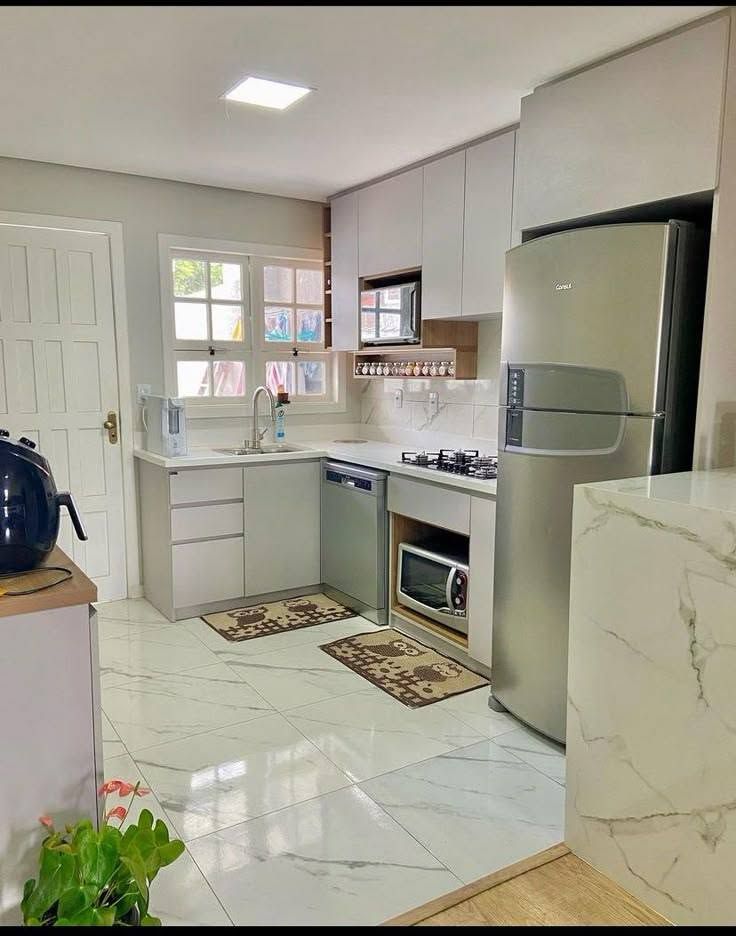
- Maximise limited flat sizes with L‑shaped or U‑shaped layouts that create storage while saving space.
- Use a 10‑year warranty modular kitchen kit for durability and peace of mind.
- Incorporate smart lighting, pull‑out shelves, and space‑saving fixtures.
- Get a free 3D design from Arfina Design to visualise your kitchen before construction.
Understanding Kolkata’s Kitchen Environment
Kolkata’s humid climate, frequent monsoon rains, and high humidity levels demand kitchen designs that resist moisture and mould. Kitchens in Salt Lake, New Town, and Rajarhat often have high ceilings and large windows, while older apartments in Alipore and Tollygunge may be of smaller dimensions or have earthen floors. Therefore, adaptive material choices and efficient layouts become crucial.
Choosing the Right Layout for Your Space
Modular kitchens normally come in three classic shapes: U‑shaped, L‑shaped, and galley. Here’s how each works for typical Kolkata flats.
U‑Shaped Layout
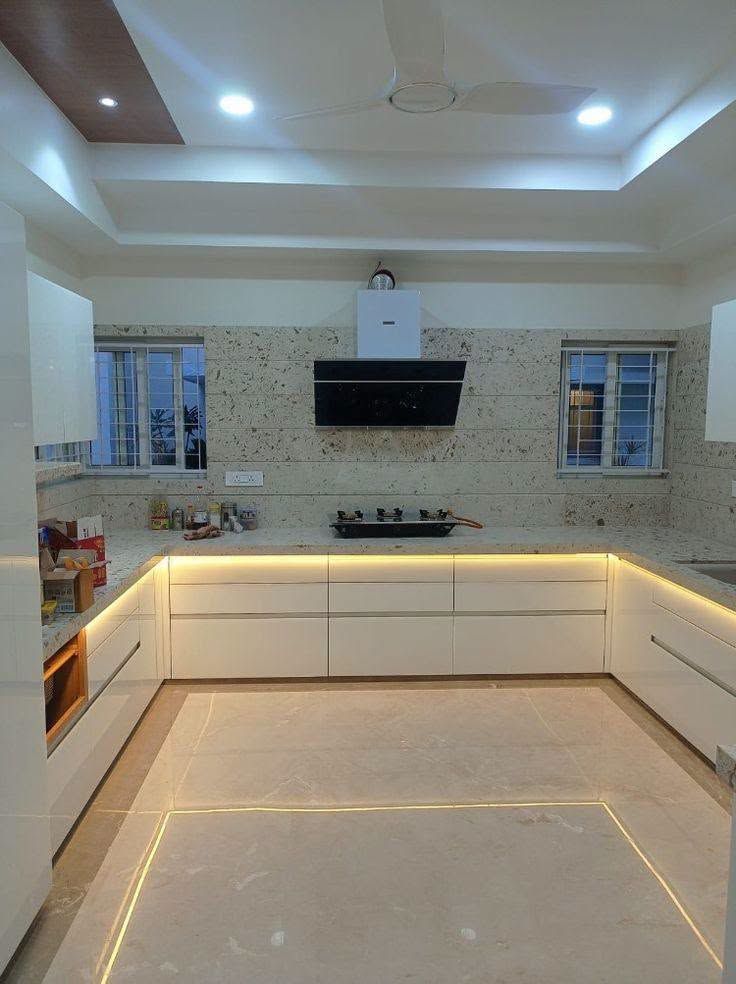
- Ideal for 3‑BHK or 2‑BHK spaces with a width of 12–15 feet.
- Provides ample countertop and storage on all three sides.
- Large island available for extra prep space if width allows.
L‑Shaped Layout
- Best for narrow kitchen area in 1‑BHK flats or apartments.
- Maximises storage on two walls while leaving an open centre.
- Can be combined with small pantry for extra storage.
Galley (Straight) Layout
- Suited for narrow footprints in studios or 1‑BHKs.
- Efficient workflow with work triangle maintained.
- Requires clever use of vertical storage.
Material Checklist for a Durable Kolkata Kitchen
Material selection not only influences aesthetics but also longevity, especially in a humid climate. Below is a table summarising common choices with indicative price ranges for 2026 in Kolkata. Prices are approximate and vary by brand and finish.
| Material | Suggested Use | Indicative 2026 Cost (₹/sq.ft.) |
|---|---|---|
| MDF | Base cabinets, upper cabinets (water‑sealed) | 1,200–1,800 |
| Plywood 18mm (Kraft) | Free‑standing units, island backsplash | 1,500–2,200 |
| Engineered Stone (Quartz) | Countertops, backsplash | 6,000–9,000 |
| Cement Bricks (Pre‑sealed) | Wall tiles, parging | 2,000–2,800 |
| Anti‑Mould Paint (10th Grade) | Wall finish | 250–350 |
All materials listed above are available with a 10‑year warranty on modular components when chosen through a reputable provider.
Ventilation & Cooling Solutions
In Kolkata, where humidity can reach 80 % during monsoons, proper ventilation prevents mould.
Exhaust Fan Placement
- Mount above the range or stove, with a minimum 120 mm clearance.
- Choose a model with >30 CFM (cubic feet per minute) rating.
Window Design
- Install double glazing to reduce condensation.
- Use UV‑resistant curtains to keep the interior cool.
Smart Storage & Space‑Saving Ideas
Maximising storage without crowding is essential in Kolkata kitchens.
Pull‑Out Drawers & Lazy Susans
- Helps access deep cabinets.
- Ideal for spice racks, cutting boards or small appliances.
Under‑Cabinet Shelving
- Install adjustable shelving for pot racks.
- Use metal baskets to keep items visible and accessible.
Vertical Pantry
- Utilise 7–8 feet high wall space for compartmentalised storage.
- Finish with moisture‑resistant plywood.
Lighting Design for Function & Ambience
Layered lighting improves visibility and creates a welcoming atmosphere.
CCT‑Adjustable LED Downlights
- Use Daylight (4000 K) during cooking, warmer (2700 K) for dining.
- Place every 4–5 feet across the work area.
Under Cabinet LED Strips
- Illumines countertops for precise tasks.
- Select waterproof versions for high humidity use.
Energy‑Efficient Appliance Selection
With electricity costs steadily rising in Kolkata, an appliance‑savvy kitchen can save both money and carbon. Begin by choosing Grade‑A or A++ rated refrigerators, dishwashers and ovens. These units draw 15–25% less power compared to older models. Look for the Energy Certificate on the warranty card; the green Seal of India guarantees lower consumption.
For cooking, a ceramic or induction hob is a smart choice. Induction provides instant heat and burns 10–15% less energy than gas stoves, while ceramic hobs operate quietly and are easy to clean. When selecting a microwave, opt for one with a sensor‑based cooker to avoid over‑cooking and reduce electricity drain.
Ventilation also affects energy usage. Install a high‑efficiency range hood with a fan labelled “Energy Saver” which cuts power consumption by up to 30% without compromising suction strength.
Common Pitfalls
- Ignoring ventilation demands – a sterile kitchen will overheat, forcing higher AC usage.
- Choosing the cheapest unit – billably cheaper upfront, but higher long‑term costs.
- Installing appliances behind heavy cabinets – restricts airflow and can lead to premature failure.
Maintenance & Longevity Strategies
Durability in Kolkata is challenged by humidity and dust. Adopt a routine that keeps your modular kitchen looking pristine for years:
- Weekly tasks – wipe down surfaces with a pH‑neutral cleaner; vacuum grout between tiles; wipe window blinds and curtains.
- Monthly checks – inspect seals on cabinetry, tighten loose screws, and test all switches and sockets for hotspots.
- Bi‑annual deep wash – use a diluted vinegar solution to remove mineral buildup from fixtures; scrub stainless steel with a soft microfiber cloth.
Utilise a protection layer of silicone sealant on all edges of the modular cabinetry. This stops moisture penetration, a frequent source of warping in humid climates. For the floor, apply a water‑resistant polyurethane finish every two years to safeguard against splashes.
Missteps to Avoid
- Using harsh scouring pads on wood or laminate – this scratches finish and accelerates wear.
- Neglecting to replace worn‑out cabinet hinges – a leaking hinge can draw moisture into the cavity.
- Applying wax or oil on non‑porous surfaces – these attract dust.
Project Timeline & Management Tips
Planning a modular kitchen in Kolkata varies from 6 to 10 weeks depending on complexity. A realistic schedule helps avoid delays and budget blow‑outs:
| Phase | Duration | Key Activities |
|---|---|---|
| Initial Consultation & 3D Design | 1–2 weeks | Site visit, measurements, digital mockup approval |
| Material Procurement | 2–3 weeks | Order cabinets, countertops, appliances, finishes |
| Construction & Installation | 3–4 weeks | Layout work, electrical, plumbing, cabinetry |
| Finishing Touches | 1 week | Lighting fit, trim, final QA |
| Handover & Warranty Activation | 1 week | Client walkthrough, warranty paperwork, post‑install support briefing |
Coordinate closely with the design team to keep the timeline on track. Use a shared calendar or project management tool to flag milestones and approvals. Early approval of the 3D design model reduces re‑work, especially important after the first design draft.
Timing Glitches to Watch
- Delays in material delivery – mitigate by ordering high–turnover items in advance.
- Lack of site clearance – ensure utility connections are available before starting work.
- Unclear client decisions – schedule decision points during the design phase to avoid revisions.
Leveraging Local Kolkata Craftsmanship & Materials
Kolkata’s heritage includes exquisite woodwork and brass detailing. Incorporate these traditions to add character without compromising modern functionality:
- Sheesham (Indian Rosewood) cabinets – durable, varnish‑resistant, and visually striking. Pair with a minimalist stainless‑steel appliance set for a high‑contrast look.
- Hand‑crafted brass light fixtures – provide a subtle nod to Bengali art; they perform well in humid air due to resistance to tarnish.
- Use local stone tiles such as Khajuri or Sagar, which offer excellent slip resistance and are locally sourced, reducing transport emissions.
When sourcing, prefer suppliers who provide local waste‑reduction programs. This not only supports the community but also often results in a cleaner, more reliable supply chain. Consult the design team for recommendations on reputable Kolkata‑based manufacturers offering warranties that align with the studio’s 10‑year guarantee on modular work.
Talk to a designer
Planning something similar?
Get a free 3D design and an itemised quote from Arfina Design.