
Interior Designer in Kolkata: Cost, Choices & Local Tips for 2026
Looking for an interior designer in Kolkata? Discover cost ranges, material choices, and how Arfina Design can elevate your home with premium services and a 10‑year warranty.
By Arfina Design Design Team · Updated · 7 min read

When you search for an interior designer in Kolkata, you’re not just looking for a designer; you’re seeking a partner who understands the city’s humid climate, diverse localities, and evolving style preferences. Whether you live in Salt Lake, Tollygunge, howrah or South Kolkata, an experienced designer can help you navigate the challenges of monsoon‑resistance, space optimisation, and material selection. Below, we break down the key factors that influence cost, compare popular options, and answer common questions so you can make an informed decision.
Key Takeaways
- Cost varies by floor area, material quality, and location.
- Kolkata’s monsoon climate requires moisture‑resistant finishes.
- Arfina Design offers free 3D designs and a 10‑year warranty on modular work.
- Work with a designer who specialises in local plumbing, electrical norms, and ventilation.
- Planning now saves time and reduces renovation overruns.
1. How Much Does an Interior Designer in Kolkata Charge?
Prices depend on scope: a one‑room design can start at ₹1,50,000, while a full‑house makeover may exceed ₹12,00,000. Below is an indicative table for 2026 – remember, actual costs depend on materials, labor rates, and your house’s layout.
| Scope | Area (sq. ft.) | Indicative Cost (₹) |
|---|---|---|
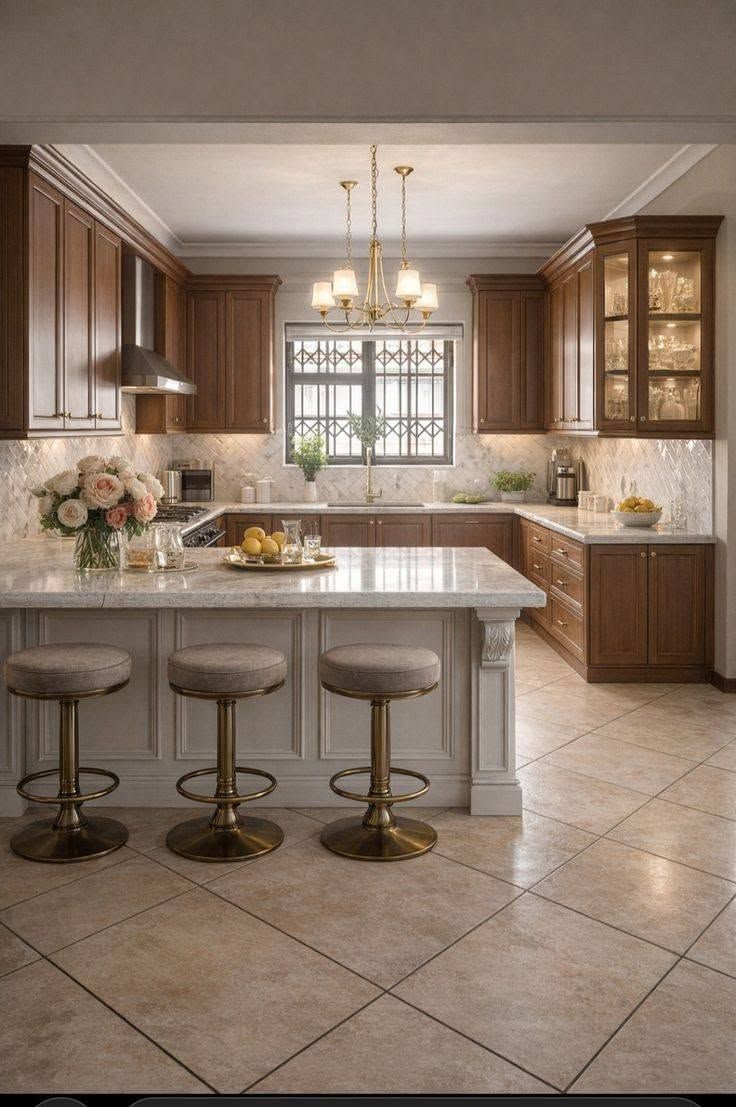
| Modular Kitchen Design | 60‑80 | ₹2,50,000 – ₹4,00,000 |
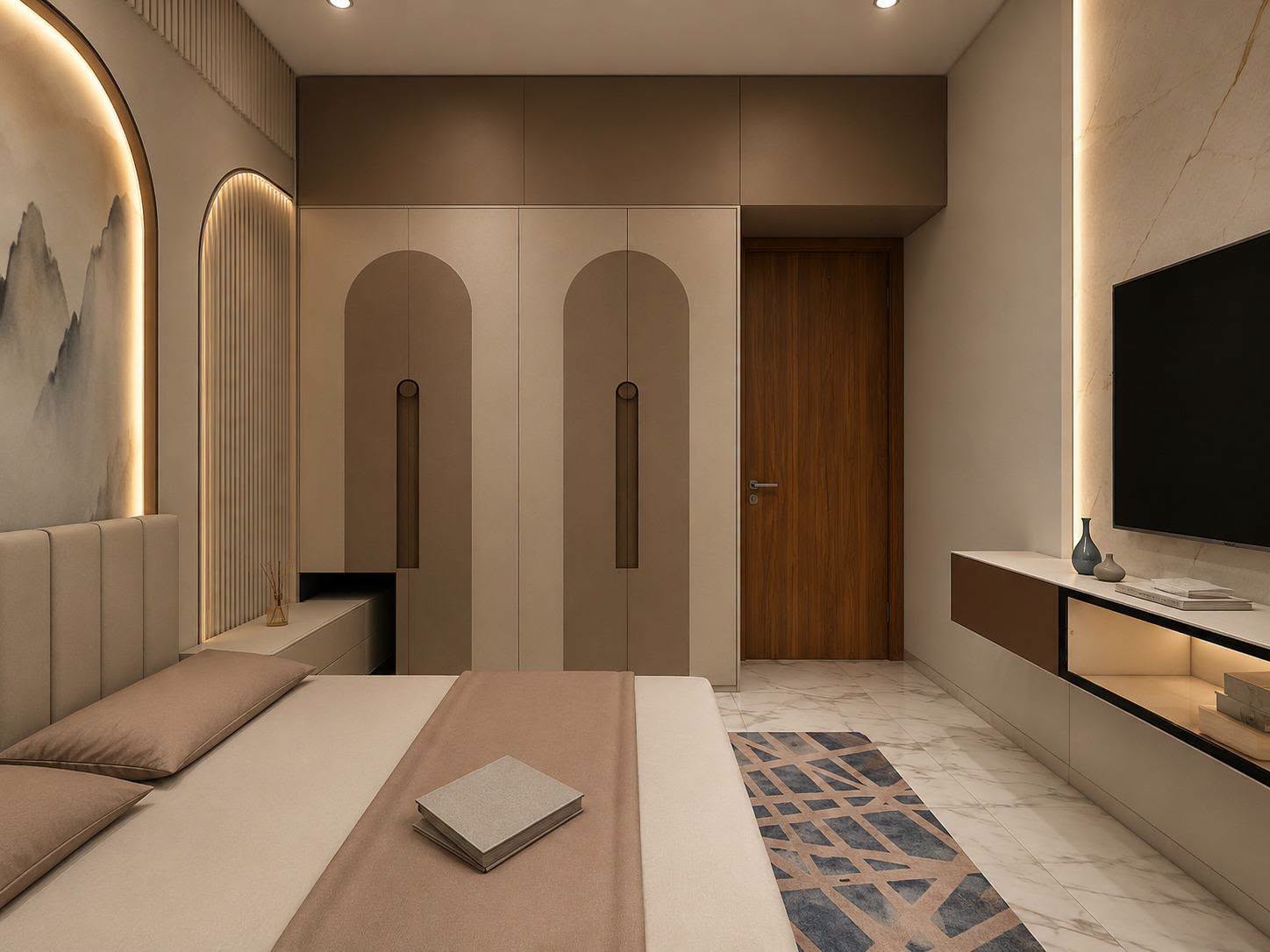
| Bedroom & Wardrobe | 120‑200 | ₹3,00,000 – ₹5,50,000 |
| Full Home Renovation | 500‑1500 | ₹12,00,000 – ₹30,00,000 |
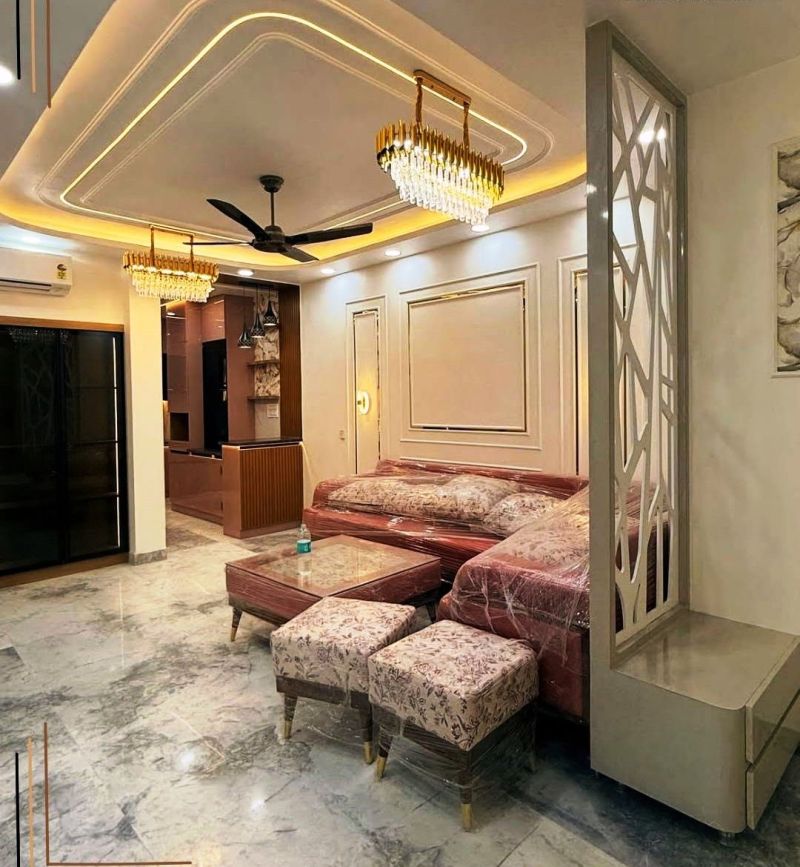
| False Ceiling & Lighting | Varies | ₹40,000 – ₹1,20,000 |
These figures assume mid‑range fixtures and standard construction. For premium glass, premium steelwork, or custom stonework, prices adjust accordingly. Arfina Design’s flat‑file rates ensure transparency; you won’t encounter hidden charges.
2. Material Choices for Kolkata’s Climate
2.1 Moisture‑Resistant Flooring
- Luxury Vinyl Plank (LVP) – easy to clean, waterproof, ideal for living rooms.
- Engineered Hardwood – stable against humidity; finish with PU coating.
- Stone Tiles – durable; choose glazed or matte to resist water stains.
2.2 Paint vs Wallpaper
- Paint (oil‑based or water‑base) offers durability; higher priming needed.
- Wallpaper – choose vinyl or PU backed for damp areas; easy to replace during monsoon swaps.
- For mild climates, textured paint is cost‑effective; for premium spaces, patterned wallpaper can add drama.
2.3 Ceiling Options
- Gypsum Board (POP) – lightweight, fire‑resistant; good for all squares.
- Wooden Panels – warm aesthetic; seal with waterproof varnish.
- PVC Tiles – inexpensive, but check for improved ventilation.
3. How Location Influences Your Project
- Salt Lake & New Town – newer layouts mean higher construction standards; designers can leverage contemporary layouts.
- Rajarhat, Park Circus – older buildings often need structural retrofits; budget for checking foundations.
- Howrah & EM Bypass – traffic noise; recommended sound‑proofing for kitchens and bedrooms.
- Ballygunge, Alipore – heritage homes; consult heritage regulations for fittings.
- Dum Dum & Laketown – semi‑urban feel; space available for custom storage solutions.
- South Kolkata – colonial architecture; blend classical motifs with modern tech.
4. What to Expect from a Premium Interior Designer
4.1 Initial Consultation
Discuss vision, budget, timeline. The designer records key measurements using laser tools. For Arfina Design, the first meeting is always free and includes a basic space plan.
4.2 3D Virtual Walk‑Through
Visualise the layout, furniture placement, and colour schemes before you commit. This pre‑visualisation reduces the risk of mid‑project changes.
4.3 Material Sourcing
Designers collaborate with local suppliers in Salt Lake, New Town, and other districts, ensuring timely delivery and cost control.
4.4 Project Coordination
From hiring carpenters to managing contractors, the designer’s network keeps the timeline on track. They also handle procurement of electrical, plumbing, and HVAC components compliant with local code.
4.5 Quality Assurance & Warranty
Arfina Design’s 10‑year warranty on modular work covers workmanship and material defects – a rare benefit in Kolkata. Quality inspections are embedded at each stage, guaranteeing longevity.
5. Common Questions from Kolkata Homeowners
-
Planning Your Project Timeline in a Busy City
The pace of life in Kolkata can be relentless, especially in commercial hubs such as Salt Lake and New Town. A realistic project schedule not only keeps your budget under control but also minimizes disruption to your daily routine. Below is a practical outline that you can adapt based on the size of your project and the specific services you require from Arfina Design.
- Phase 1 – Concept & Design (4–6 Weeks)
• Initial consultation & site survey
• Mood board creation & material sample selection
• Detailed 3D design mock‑up (free with Arfina) and client approval - Phase 2 – Procurement (3–5 Weeks)
• Order confirmation for tiles, fabrics, fixtures
• Lead time for custom pieces (e.g., modular kitchen units) – 8–12 weeks - Phase 3 – Execution (8–12 Weeks)
• Site preparation: demolition, structural checks, safety compliance
• Core construction: walls, ceilings, electrical & plumbing
• Installation of custom furniture and fittings
• Final touches: lighting, décor, plant placement - Phase 4 – Handover & After‑Care (1–2 Weeks)
• Final walkthrough, warranty documentation, maintenance guide
• Post‑project inspection to resolve any defects under the 10‑year warranty
Booking your interior designer a minimum of 4–6 months ahead guarantees availability of key artisans and locks in favourable material prices. While Arfina’s extensive network of suppliers helps streamline procurement, it is still prudent to set buffer time for unexpected delays such as courier strikes or minor structural adjustments.
Eco‑Friendly Design Choices for Kolkata’s Monsoon & Air‑Quality Reality
Kolkata’s climate, characterized by heavy monsoon rainfall and high humidity, demands materials that resist mould, mildew, and corrosion. At the same time, rising concerns about indoor air quality call for non‑toxic finishes and low‑VOC products.
Material Selection
- Ceramic & Porcelain Tiles – Ideal for kitchen and bathroom surfaces; choose matte finish to reduce water spots.
- Solid Wood Furniture (e.g., teak, rosewood) – Naturally resistant to moisture when sealed with non‑VOC varnish.
- Low‑VOC Paints & Wallpaper – Opt for “green” certifications such as ISO 14021; Arfina’s curated stock includes paints that emit less than 10 µg / m³ of formaldehyde.
- Natural Fiber Rugs – Sisal or jute mats maintain breathability and are dust‑resistant.
Ventilation & Air‑Purification
Installing high‑capacity exhaust fans in bathrooms and kitchens and using energy‑efficient LED fixtures reduces moisture buildup. For living spaces, consider smart ventilation systems that couple with air purifiers to filter out PM2.5 particles, a common issue in Eastern India.
Water‑Efficiency Measures
Upgrading to “dual‑head” faucets and low‑flow showerheads can cut water consumption by 20–30 %. Coupled with rain‑water harvesting systems, you can offset seasonal water shortages.
Common Design Pitfalls in Kolkata and How to Avoid Them
Even with a seasoned interior designer, certain misconceptions can derail a project. Arfina Design’s portfolio of 2,100+ projects shows recurrent mistakes and how to sidestep them.
- Overlooking Ceiling Load Capacity
Many homeowners install heavy custom shelves or lighting fixtures without checking the existing ceiling structure. This leads to costly retrofits. Solution: During the design phase, Arfina’s structural vetting ensures every load is within safe limits. - Choosing Fabrics Unsuitable for Humidity
Silk or wool drapes breathe well but can harbour mildew in Kolkata’s damp months. Opt for treated cotton or polyester blends; these maintain their sheen for years. - Ignoring the 360‑Degree View of a Space
Designing rooms in isolation can create visual imbalance. A spatial audit that considers traffic flow and visual sightlines—especially in split‑floor plans of Tollygunge and Alipore—maintains harmony. - Under‑Estimating Cabinet Space
In sub‑urban homes, storage is often a challenge. Maximising vertical storage with custom wardrobe solutions, and using modular kitchen islands with drawers beneath, preserves floor area. - Opting for One‑Size‑Fits‑All in Lighting
Lighting should augment both mood and functionality. Layered lighting—ambient, task, and accent—ensures rooms can transition between work and leisure effortlessly.
Each of these pitfalls translates into extra costs and project delays. By engaging Arfina’s free 3D walkthrough at the start, you’ll spot potential issues before construction begins.
Post‑Completion Maintenance: Extending the Life of Your Design
A well‑maintained interior preserves aesthetic value and structural integrity. Here’s a maintenance schedule you can follow in a typical Kolkata residence.
Weekly
- Dust all surfaces; use a microfiber cloth to prevent scratching of finishes.
- Spot‑clean kitchen tiles with a mild, non‑acidic detergent to avoid etching.
Monthly
- Inspect roofing and gutter systems for clogs; remove leaves.
- Check ventilation fans for dust build‑up; clean the filters.
- Wipe down glass surfaces in bathrooms and kitchens.
Quarterly
- Apply a sealant to wooden floors and furniture every 3–4 years based on the manufacturer’s recommendation.
- Inspect all electrical wiring and socket outlets; replace any corroded components.
- Stain or re‑coat exterior wooden elements, especially in marquis gate spaces of Park Circus.
Annual
- Professional clean‑up of large carpet
Talk to a designer
Planning your interiors?
Get a free 3D design and an itemised quote, or try our AI Room Designer.
AI Room Designer
- Phase 1 – Concept & Design (4–6 Weeks)